


 Contact us on WhatsApp:
Description
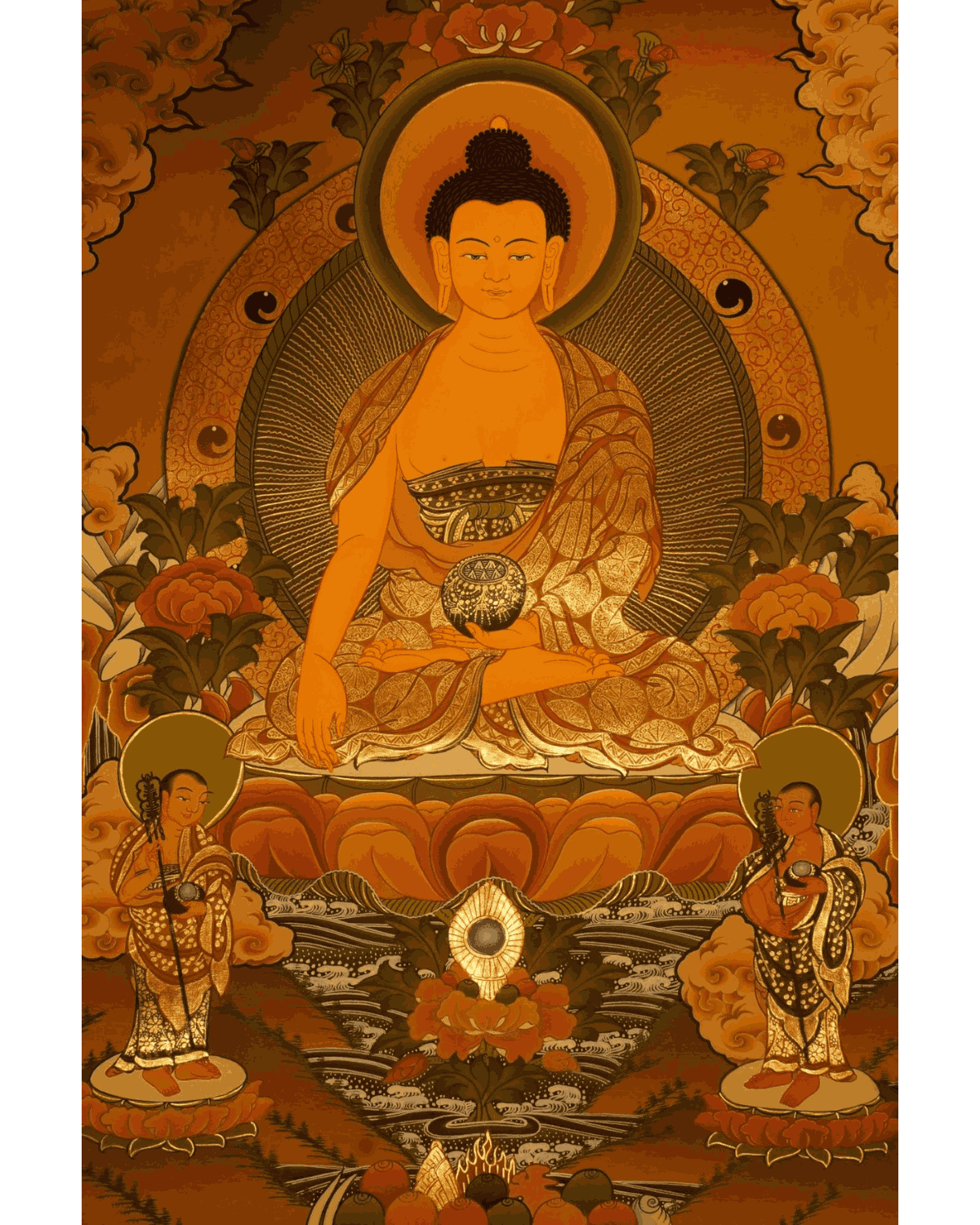
Shakyamuni Buddha, also known as Siddhartha Gautama, is the historical founder of Buddhism and one of the most revered spiritual teachers in the world. The term “Shakyamuni” means “Sage of the Shakya Clan,” referring to his royal lineage. He lived in ancient India around the 6th to 5th century BCE. His profound teachings on wisdom, compassion, and enlightenment have influenced millions across Asia and beyond for over 2,500 years.
Early Life and Background
Siddhartha Gautama was born in Lumbini, which lies in present-day Nepal, to King Suddhodana and Queen Maya Devi. His family belonged to the Shakya clan, who ruled the small kingdom of Kapilavastu. According to Buddhist tradition, before his birth, Queen Maya dreamt of a white elephant entering her womb—symbolizing the coming of a great being. Siddhartha was born on a full moon day, and soon after his birth, a wise sage named Asita predicted that the child would either become a great world ruler or a fully enlightened Buddha.
As a prince, Siddhartha was raised in great luxury. His father shielded him from the harsh realities of life, ensuring that he only saw youth, beauty, and happiness. The king’s hope was that Siddhartha would become a powerful monarch rather than renounce worldly life. The young prince excelled in learning, arts, and physical skills, and he was later married to Princess Yasodhara. They had a son named Rahula.
The Four Sights and the Great Renunciation
Despite living in luxury, Siddhartha felt a deep sense of restlessness and curiosity about life. One day, he ventured outside the palace and encountered four sights that forever changed his life: an old man, a sick person, a corpse, and a wandering ascetic. These experiences opened his eyes to the reality of suffering, aging, sickness, and death. He realized that no matter how rich or powerful one is, suffering is inevitable.
At the age of 29, moved by compassion and a desire to find a solution to human suffering, Siddhartha left his palace, his family, and all material possessions. This event is known as the Great Renunciation. He adopted the life of a wandering ascetic, seeking truth through meditation and spiritual discipline.
Spiritual Quest and Enlightenment
For six years, Siddhartha practiced intense austerities and self-mortification with various teachers, but he found that extreme practices did not lead to liberation. Finally, he chose a middle path between indulgence and self-denial, known as the Middle Way.
He sat beneath the Bodhi tree at Bodh Gaya, vowing not to rise until he attained enlightenment. Through deep meditation, he confronted the forces of Mara, the demon of illusion, who tried to distract him. Siddhartha overcame these temptations through mindfulness and inner strength. Finally, at dawn, he attained supreme enlightenment—awakening to the true nature of existence. From that moment, he became known as Shakyamuni Buddha, meaning “the Enlightened One.”
Teachings and the Dharma
After his enlightenment, the Buddha gave his first sermon at Sarnath, near Varanasi. This teaching, known as the Dhammacakkappavattana Sutta or “Turning of the Wheel of Dharma,” introduced the Four Noble Truths and the Noble Eightfold Path.
-
The Four Noble Truths explain that:
-
Life is filled with suffering (dukkha).
-
The cause of suffering is craving or attachment (tanha).
-
The cessation of suffering is possible (nirodha).
-
The path to the cessation of suffering is the Noble Eightfold Path (magga).
-
-
The Noble Eightfold Path guides practitioners through right understanding, intention, speech, action, livelihood, effort, mindfulness, and concentration.
These teachings form the foundation of Buddhism and offer a practical guide for achieving peace, wisdom, and liberation from the cycle of birth and death (samsara).
Later Life and Passing (Parinirvana)
For forty-five years, the Buddha traveled throughout northern India, teaching people of all castes, genders, and social backgrounds. His compassion and wisdom attracted thousands of followers, both monastic and lay. He established the Sangha, a community of monks and nuns dedicated to practicing and spreading the Dharma.
At the age of 80, the Buddha passed away in Kushinagar, India. His passing, known as Parinirvana, signified his final release from the cycle of rebirth. Before passing, he reminded his disciples:
“All conditioned things are impermanent. Strive diligently for your own liberation.”
Legacy and Significance
The teachings of Shakyamuni Buddha continue to inspire millions worldwide. His message of non-violence, mindfulness, compassion, and self-realization transcends religion and time. Buddhist temples, stupas, and monasteries built in his honor—from Lumbini to Bodh Gaya, Sarnath, and Kushinagar—remain sacred pilgrimage sites.
Shakyamuni Buddha’s life symbolizes the journey from ignorance to enlightenment, from suffering to peace. His example teaches humanity that true happiness lies not in material wealth but in understanding the mind and cultivating compassion and wisdom.
In essence, Shakyamuni Buddha represents the awakened potential within every being—the realization that enlightenment is possible for all who sincerely follow the path of truth, mindfulness, and loving-kindness.
Estimated Arrival





Customer Reviews
There are no reviews yet.