


 Contact us on WhatsApp:
Description
1. Sahasrara Chakra: The Seat of Samadhi
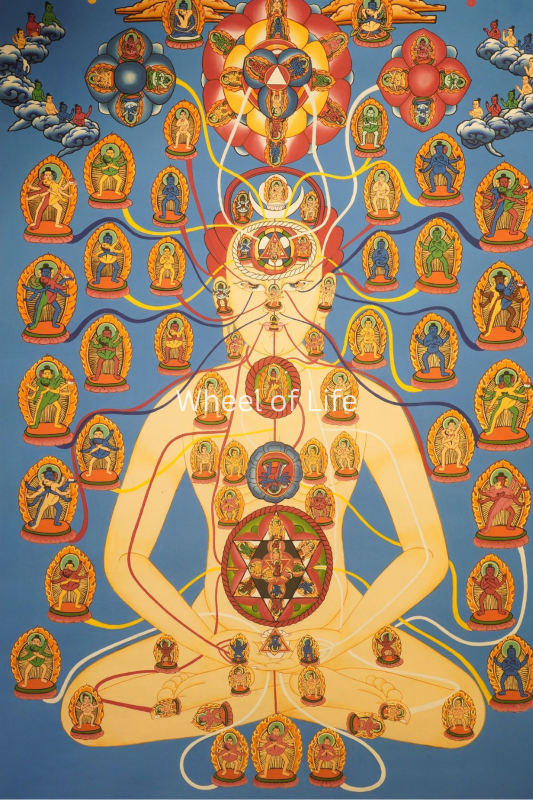
The Sahasrara Chakra, located at the crown of the head, is considered the seventh primary chakra in Sanatan yoga traditions. It is represented by the color violet and is symbolized by a thousand-petaled lotus. This chakra is regarded as the seat of pure consciousness, where the individual soul unites with the universal consciousness. Achieving this union is the ultimate goal of yoga, leading to self-realization and liberation (moksha) from the cycle of rebirth and death .
2. Samadhi: The State of Union
In yogic philosophy, Samadhi is the state of deep meditative absorption where the individual consciousness merges with the universal consciousness. This state is characterized by the dissolution of the ego and the experience of oneness with the divine. There are different stages of Samadhi, with Nirvikalpa Samadhi (also known as Asamprajnata Samadhi) being the highest form, where the mind is completely still and free from all thoughts and distinctions.
3. The Role of Sahasrara in Samadhi
The Sahasrara Chakra plays a pivotal role in the attainment of Samadhi. When the Kundalini energy, which resides at the base of the spine, ascends through the chakras and reaches the Sahasrara, it leads to the awakening of higher consciousness. This awakening facilitates the experience of Samadhi, where the practitioner transcends the limitations of the mind and experiences the ultimate reality.
4. Experiencing Samadhi Through the Sahasrara
Practitioners aiming to experience Samadhi focus on awakening and balancing the Sahasrara Chakra. This involves practices such as meditation, chanting, and mindfulness to quiet the mind and open the crown chakra. As the Sahasrara becomes activated, the practitioner may experience a profound sense of peace, clarity, and connection to the universe, culminating in the state of Samadhi .
Estimated Arrival





Customer Reviews
There are no reviews yet.